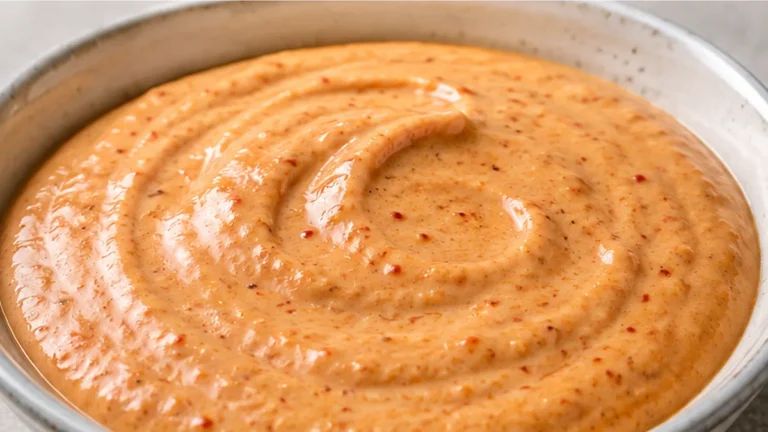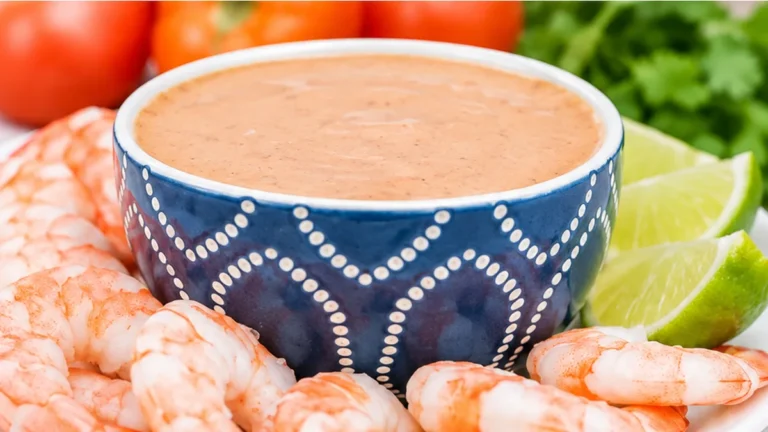
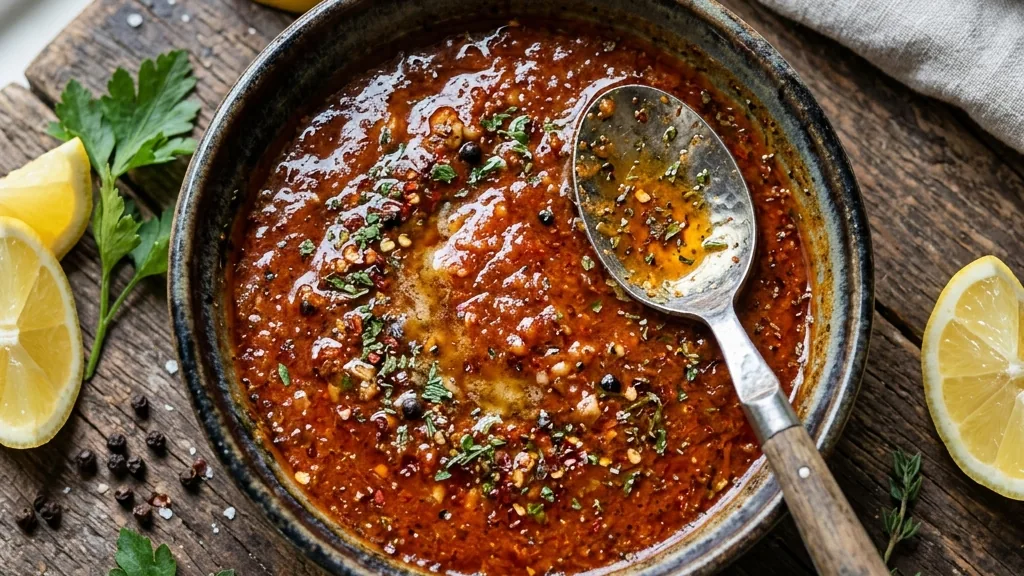
Seafood boil sauce is the rich, buttery, garlicky soul of a Louisiana-style seafood boil. It is the glossy Cajun garlic butter that gets poured over a pile of shrimp, crab, crawfish, corn, and potatoes, and the same sauce people happily dip every bite into afterward. Made with butter, a whole head of garlic, Cajun and Old Bay seasoning, a touch of brown sugar, and fresh lemon, it comes together in one pan in about fifteen minutes. This guide gives you the full recipe, the simple technique that makes the flavor deep instead of flat, and everything you need to get it right.
Once you have made this sauce, a seafood boil at home tastes every bit as good as the messy, finger-licking versions at a restaurant, for a fraction of the price.
What Is Seafood Boil Sauce?
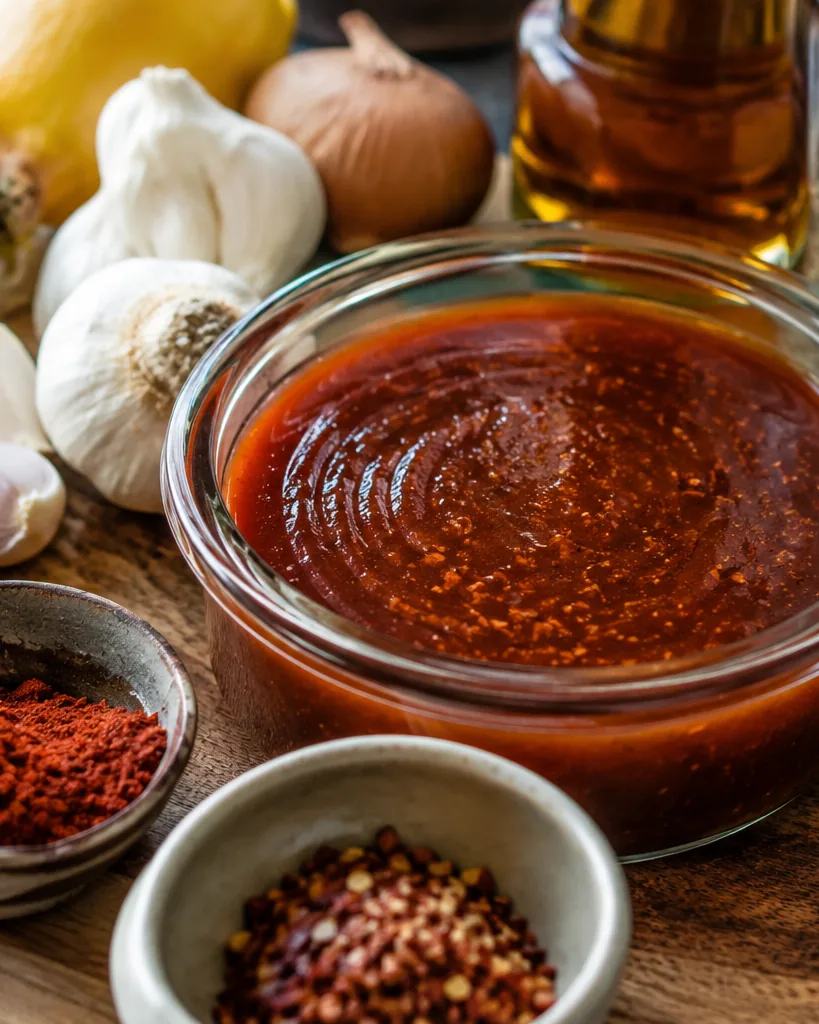
At its heart, seafood boil sauce is a seasoned compound butter turned into a pourable sauce. It builds on melted butter and a generous amount of garlic, then layers in the warm, smoky, salty heat of Cajun and Creole seasonings along with Old Bay. A little brown sugar rounds out the salt and spice, and fresh lemon juice at the end brightens the whole thing. The result is a sauce that clings to seafood, soaks into corn and potatoes, and doubles as an irresistible dip. It is the difference between plain boiled shrimp and the bold, craveable boil that has become a backyard and restaurant favorite.
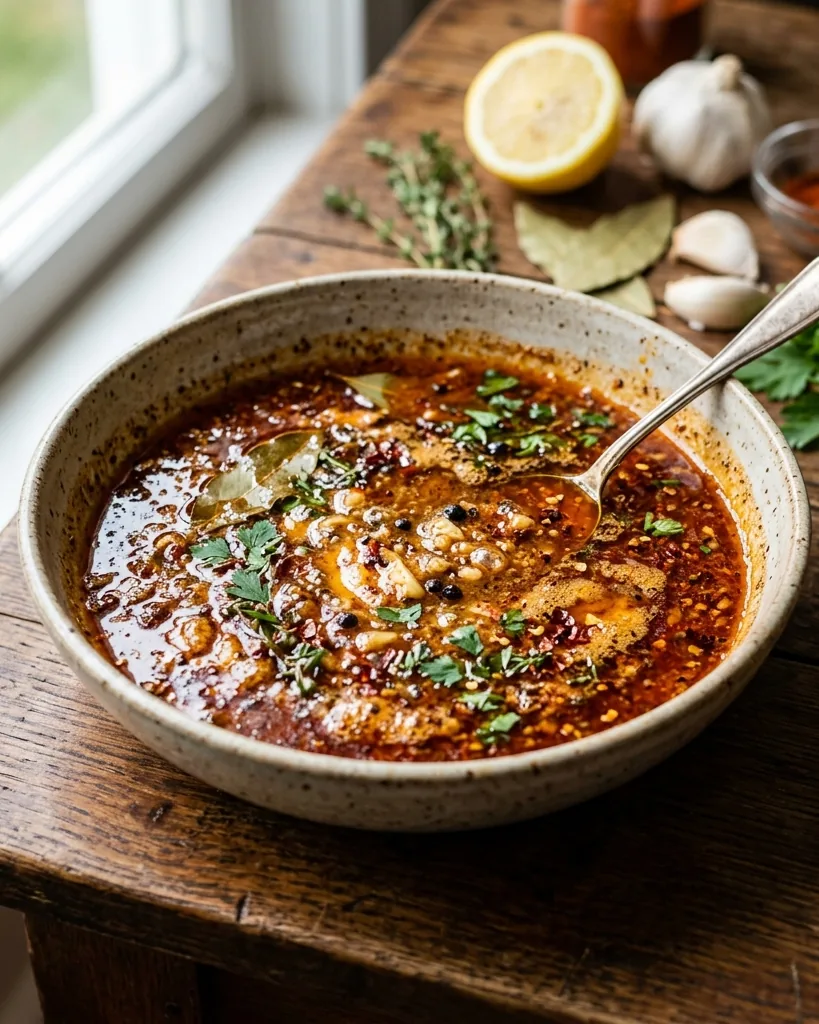
Ingredients
You likely have many of these on hand already. This makes enough sauce for a boil that serves about four people.
- 1 cup (2 sticks, about 227 g) butter
- 1 whole head of garlic (10 to 12 cloves), minced
- 1 small onion, finely diced (optional, for body)
- 2 to 3 tablespoons Cajun or Creole seasoning
- 1 to 2 tablespoons Old Bay seasoning
- 1 teaspoon smoked paprika and 1 teaspoon onion powder
- 1 to 2 tablespoons brown sugar
- 1/2 to 1 teaspoon red pepper flakes, to taste
- Juice of 1 to 2 lemons
- 1/2 cup (about 120 ml) chicken or seafood stock (optional)
- Fresh parsley and hot sauce, to taste
How to Make Seafood Boil Sauce
The whole sauce happens in one pan, and the order of steps is what builds the flavor.
1. Soften the onion
Melt the butter in a large skillet or saucepan over medium heat. Add the diced onion and cook for about 5 minutes, until soft and translucent.
2. Cook the garlic gently
Add the minced garlic and cook for 3 minutes, just until fragrant. Keep the heat moderate so the garlic softens without browning, since burnt garlic turns bitter.
3. Bloom the spices
Stir in the Cajun seasoning, Old Bay, smoked paprika, onion powder, brown sugar, and red pepper flakes. Cook for another 5 minutes, stirring, so the spices toast in the butter. This step, called blooming, is the secret to deep flavor rather than a raw, dusty taste.
4. Simmer to meld
Pour in the stock if you are using it, bring the sauce to a gentle boil, then reduce the heat and simmer for 6 to 8 minutes until it thickens slightly and the flavors come together.
5. Finish bright
Take the pan off the heat and stir in the lemon juice, chopped parsley, and a few dashes of hot sauce to taste. Pour the warm sauce over your cooked seafood, and reserve some in a bowl for dipping.
The Spice-Blooming Trick
If your seafood boil sauce ever tastes flat or powdery, the fix is almost always blooming the spices. Cooking the Cajun seasoning, Old Bay, and paprika in the hot butter for a few minutes wakes up their oils and deepens their flavor, the same way toasting whole spices does. Skipping this step and just stirring the seasonings into finished butter leaves them tasting raw. Give the spices those few minutes in the fat, and the whole sauce goes from good to genuinely restaurant-worthy. It costs you nothing but a little patience.
Balancing Heat, Salt, and Sweet
Great boil sauce is all about balance. Cajun and Old Bay seasonings are both salty, so taste before adding any extra salt. The brown sugar is not there to make the sauce sweet; it rounds off the sharp edges of the salt and spice so everything tastes fuller and more harmonious, so do not skip it. Control the heat with the red pepper flakes or a pinch of cayenne, starting low since you can always add more. Finally, the lemon juice at the end is essential, cutting through the richness of all that butter and keeping the sauce from feeling heavy. Adjust these three levers, heat, salt, and bright acidity, and you can tune the sauce exactly to your taste.
A Quicker Version
When you want the flavor without the full process, a faster version still delivers. Melt the butter with the minced garlic, then stir in the Old Bay, Cajun seasoning, smoked paprika, lemon juice, and a dash of hot sauce. Simmer everything together for 5 to 7 minutes until the butter is fully melted and the sauce is combined. It skips the onion and the stock, so it is a touch thinner and less complex, but it is perfect for a small batch or a weeknight when you just want garlicky, spiced butter over shrimp.
Ways to Use Seafood Boil Sauce
This sauce earns its place well beyond a traditional boil. Try it any of these ways:
- Toss with shrimp: Coat sauteed or grilled shrimp for an instant Cajun shrimp dish.
- Drizzle on sides: Spoon it over corn on the cob, boiled potatoes, or sausage.
- Dip for shellfish: Serve it warm alongside crab legs or lobster for dunking.
- Brush on the grill: Baste grilled seafood or vegetables for a smoky, buttery finish.
- Sauce for pasta: Toss it with linguine and shrimp for a quick Cajun seafood pasta. Our guide to making a butter sauce for pasta pairs well here.
Storing and Reheating
Leftover sauce keeps well, though butter sauces need gentle handling. Store cooled seafood boil sauce in an airtight container in the refrigerator for up to 5 days. Because it is butter-based, it will firm up when cold and may separate when reheated, so warm it slowly over low heat or in short bursts in the microwave, stirring to bring it back together. For longer storage, freeze the sauce for up to three months and thaw it in the fridge before reheating. If the reheated sauce looks broken, a quick whisk or a splash of warm stock usually smooths it out, and our notes on how to thicken sauce can help if you want it richer.
A Note on Seafood Safety
Seafood boils are best enjoyed fresh, and a little food-safety care keeps everyone well. Do not leave cooked seafood or the buttery sauce sitting at room temperature for more than two hours, since that is when bacteria multiply fastest, and refrigerate leftovers promptly, as the FDA’s seafood safety guidance advises. Reheat both the seafood and the sauce thoroughly before serving again. These simple habits, echoed by USDA food-safety basics, mean the only thing memorable about your boil is how good it tasted.
Choosing Your Seasonings
The character of this butter comes almost entirely from the seasoning blends, so it helps to know what each one brings. Cajun seasoning is bold and spicy, built on cayenne, paprika, garlic, and pepper, and it carries most of the heat. Creole seasoning is a close cousin with more herbs, like oregano and thyme, for a slightly more rounded flavor. Old Bay is milder and brighter, leaning on celery salt and paprika, and it adds the classic Chesapeake seafood taste many people grew up with.
Using a combination gives the most complete flavor, with Cajun for heat, Old Bay for that familiar seafood note, and smoked paprika for depth and color. You can lean on whichever blend you prefer, but starting with both Cajun and Old Bay is the surest path to a balanced result. If you only have one on hand, it will still work; just taste and adjust the heat and salt as you go.
What Goes With This Buttery Boil
The reason to make a big batch of this Cajun butter is everything it gets to dress. A classic boil piles a pot with seafood and hearty sides, all of which soak up the garlicky butter beautifully. Common players include:
- Shellfish: shrimp, snow crab or Dungeness crab legs, crawfish, lobster tails, and clams or mussels.
- Sides: corn on the cob cut into rounds, baby potatoes, and smoked sausage like andouille.
- Aromatics: lemon halves, onion, and bay leaves in the boiling water.
Once everything is boiled and drained, you either toss it all with the warm butter in a big bowl or bag, or pour the butter over a platter and keep extra on the side. Either way, the corn and potatoes act like sponges, carrying the seasoned butter in every bite, which is half the fun of a boil.
Make It Your Own
This recipe is a strong base that takes well to personal touches. Try any of these spins:
- Extra garlic: Double the garlic for a punchier, more aromatic butter.
- Lemon pepper: Add a tablespoon of lemon pepper seasoning for a brighter, tangier profile.
- Viet-Cajun style: Stir in a little fish sauce and a touch more sugar for the popular Vietnamese-Cajun flavor.
- Honey heat: A drizzle of honey with extra cayenne gives a sweet-hot finish.
- Herb-forward: Add fresh thyme or extra parsley for a greener, fresher taste.
Because the butter base is so forgiving, you can adjust it batch to batch until you land on your signature version. Keep notes the first few times so you can recreate the one your family loves most.
Tips for the Best Results
A few habits separate a good boil butter from a great one:
- Use real butter. The flavor and body come from it, so skip margarine. Some cooks use a mix of butter and a neutral oil to make it a touch less heavy.
- Mince the garlic fresh. Jarred garlic works in a pinch, but fresh cloves give a brighter, fuller aroma.
- Taste as you build. Adjust heat, salt, and lemon at the end, when the flavors have come together.
- Reserve a dip first. Set aside a portion before tossing the seafood, so you have clean butter for dunking.
- Serve it warm. The butter firms as it cools, so keep it gently warm until you are ready to eat.
Frequently Asked Questions
What is seafood boil sauce made of?
It is a Cajun garlic butter sauce made from butter, lots of minced garlic, Cajun or Creole seasoning, Old Bay, smoked paprika, a little brown sugar, red pepper flakes, and fresh lemon juice. Many recipes also add diced onion and a splash of stock for body, plus parsley and hot sauce to finish.
Can I make seafood boil sauce ahead of time?
Yes. Make it up to a few days ahead and store it in the refrigerator for up to 5 days, or freeze it for up to three months. Reheat it gently over low heat, stirring, since the butter can separate. A quick whisk brings it back together if it looks broken.
How do I make the sauce less salty?
Cajun seasoning and Old Bay are both salty, so the easiest fix is to use less of them and add no extra salt. The brown sugar and lemon juice also help balance saltiness without making the sauce taste sweet or sour. If a finished sauce is too salty, stir in a little more butter or unsalted stock to dilute it.
What seafood goes with this sauce?
It pairs with classic boil ingredients like shrimp, crab legs, crawfish, lobster, and clams, plus the corn, potatoes, and sausage that round out a boil. It also works as a sauce for grilled or sauteed seafood and for seafood pasta, so it is far more versatile than a single dish.
Can I make it without onion or stock?
Absolutely. The quicker version skips both, relying on butter, garlic, seasonings, and lemon. The onion adds savory depth and the stock loosens and stretches the sauce, but you can leave either out. Without the stock, the sauce will be thicker and more concentrated, which some people prefer for dipping.
How spicy is seafood boil sauce?
You control the heat. The Cajun seasoning and red pepper flakes bring the spice, so start with less and add more to taste. For a mild version, cut back the cayenne and red pepper and lean on Old Bay and smoked paprika for flavor without much burn. For a fiery boil, add extra cayenne or a hotter Cajun blend.
Is seafood boil sauce gluten-free?
It can be, but check your seasonings. Butter, garlic, lemon, and most spices are naturally gluten-free, but some Cajun blends, Old Bay, and stocks can contain additives or be processed with wheat. Read the labels and choose certified gluten-free seasonings and stock if you are cooking for someone with celiac disease.
How much sauce do I need for a seafood boil?
One batch made with a cup of butter is enough to dress a boil for about four people, with some left for dipping. For a larger crowd, scale the recipe up proportionally, and always make a little extra, since the corn, potatoes, and bread soak up more butter than you expect and nobody ever complains about too much sauce.
Can I use this sauce on something other than seafood?
Definitely. The Cajun garlic butter is excellent on grilled chicken, roasted vegetables, corn, and even tossed with pasta. Anywhere you would want a buttery, garlicky, mildly spicy sauce, it works. Many people make a double batch specifically so they can use the extra on weeknight dinners throughout the week, not just on boil night.
The Bottom Line
Seafood boil sauce is what turns a pot of boiled shellfish into a memorable, finger-licking feast. It comes down to good butter, plenty of garlic, a balanced mix of Cajun and Old Bay seasonings, a little brown sugar to round things out, and bright lemon at the end. Bloom the spices in the butter for deep flavor, taste and adjust the heat and salt, and reserve some for dipping before you toss the seafood. Made fresh in about fifteen minutes, this Cajun garlic butter is the heart of a great boil, and once you have the recipe down, you will reach for it far beyond the boil itself. Keep the seasonings in your pantry and you can pull together a restaurant-worthy boil any time the craving strikes, turning an ordinary bag of shrimp into a feast worth gathering around.